The Role of Candles in Aromatherapy and Relaxation
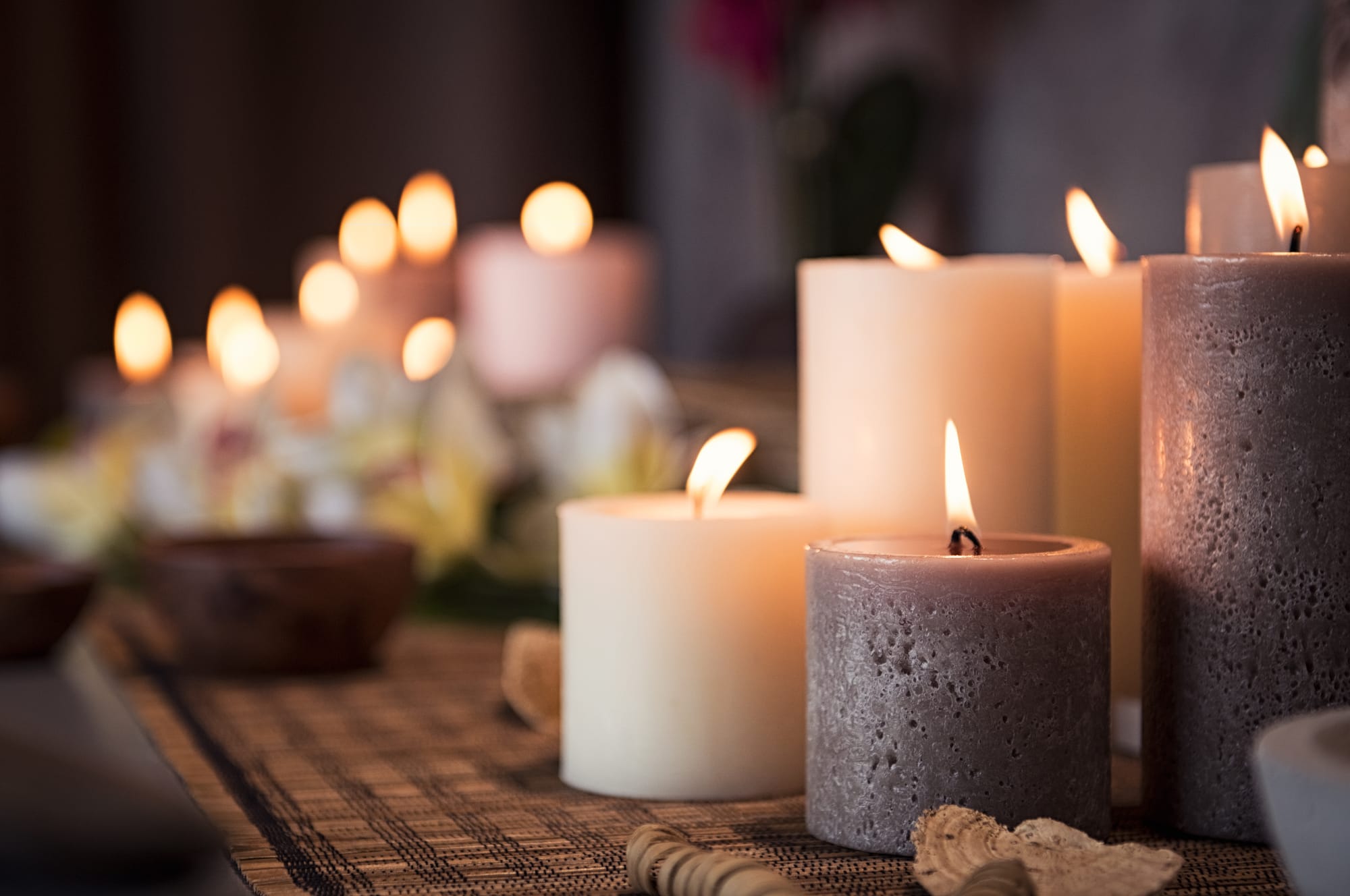
Sam's Crystals and Creations, Candles in Aromatherapy and Relaxation, a practical list of points and tips
1) Start with the purpose, choose a candle that matches the mood you want
Aromatherapy works best when you define the goal first. Relaxation is not one single state, it can mean calming a busy mind, unwinding tense muscles, promoting restful sleep, creating a comforting atmosphere, or simply making a room feel safe and familiar. Before you light anything, name the feeling you want to invite in, then select the candle style and scent family that supports that intention.
For evening wind down, many people gravitate toward lavender, chamomile, sandalwood, or soft vanilla. For stress relief during the day, consider gentle citrus, bergamot, or light herbal blends that feel clean and uplifting without becoming overstimulating. For meditation or spiritual practice, resinous notes like frankincense and myrrh, or grounding woods like cedar and patchouli, can help you feel steady and present.
- Quick tip: If you are unsure, start with one scent note rather than a complex blend. Single note scents make it easier to learn what truly relaxes you.
- Quick tip: Pair your candle choice with the time of day. Bright, fresh scents often feel better in daylight, deeper and warmer notes often feel better at night.
2) Understand how scent supports relaxation, and why candles feel different from diffusers
Scent influences relaxation through the olfactory system, which is closely connected to brain regions involved with emotion and memory. This is why a familiar aroma can instantly shift your mood. Candles add heat, gentle movement of air, and a ritual element that many people find calming. Watching a flame can encourage steady breathing, and the simple act of lighting a candle can mark a transition from doing to resting.
Compared to electric diffusers, candles usually provide a softer scent throw, especially in smaller spaces. This can be a benefit for relaxation because it is less likely to feel intense or overwhelming. The warmth of a candle also changes how certain fragrance notes present, sometimes making woods and resins feel rounder, and florals or herbs feel smoother.
- What to notice: If a scent relaxes you in a bottle but feels too strong in a candle, seek a lighter concentration or a smaller candle size.
- What to notice: If you want a very consistent aroma level, a diffuser may be more predictable. If you want ritual and ambiance, candles excel.
3) Choose wax thoughtfully, it affects air quality, burn behavior, and your experience
Wax type matters for clean burning, scent delivery, and maintenance. Many people prefer plant based waxes like soy, coconut, or blends because they often burn with less soot when properly wicked and cared for. Beeswax is prized for its natural origin and warm honey tone, and it can burn cleanly with a subtle natural aroma, though it can be more expensive. Paraffin can offer strong scent throw, but quality varies, and it can soot more easily if not well formulated or if the wick is too large.
Your relaxation session should not require constant fussing, so a stable wax and correct wick pairing are important. A candle that tunnels, smokes, or produces a sooty flame can break the calm. If you are sensitive to fragrance, you might explore lightly scented waxes or beeswax that provides atmosphere without heavy perfume.
- Tip for beginners: Choose a reputable maker who specifies wax type and burn instructions, and consider starting with a small votive to test comfort.
- Tip for sensitivity: If you get headaches from fragrance, try an unscented candle and rely on the visual ritual, then reintroduce gentle scents later.
4) Favor high quality fragrance choices, essential oils, fragrance oils, and realistic expectations
Aromatherapy traditionally refers to essential oils, but many modern candles use fragrance oils, essential oils, or a combination. Both can smell beautiful, but they behave differently when heated. Not all essential oils perform well in a candle, some are delicate, some can fade, and some require careful formulation to remain stable. Fragrance oils are designed for performance, including strong scent throw, but quality and ingredients can vary widely.
If you want a more traditional aromatherapy approach, look for candles that clearly state the essential oils used, or at least the dominant notes and intended effect. If you simply want relaxation, a well composed fragrance oil blend can still support mood and comfort through scent association and sensory enjoyment.
- Reality check: A candle is not a medical treatment. Think of it as a supportive tool for relaxation, not a cure for anxiety or insomnia.
- Selection tip: Avoid vague labels like calming blend without any note list. A good maker can tell you what is inside.
5) Build a relaxing ritual, the routine matters as much as the aroma
Relaxation deepens when your brain learns a consistent sequence that signals safety and rest. Candles are perfect for this because lighting a flame creates a clear beginning, and extinguishing it creates a clear end. Over time, your nervous system can begin to associate the scent and soft light with slowing down.
Create a small ritual that takes two to five minutes so it is easy to repeat. Dim harsh overhead lighting, set a glass of water nearby, put your phone on silent, then light the candle while taking a few slow breaths. Let the first minute be about settling in rather than doing anything productive. If you like journaling, reading, stretching, or a warm bath, fold your candle ritual in as the opening step.
- Simple ritual: Light candle, inhale gently for four counts, exhale for six counts, repeat five times.
- Consistency tip: Use the same candle during the same routine for at least one week to build a strong association.
6) Master candle care, small habits prevent tunneling, smoke, and stress
A candle that burns evenly feels effortless. The most common issue that interrupts relaxation is tunneling, when wax melts only in the center and leaves a ring around the edges. To prevent it, allow enough time on the first burn so the melted wax reaches the edge of the jar. This is often called creating a full melt pool. It can take one to four hours depending on the candle diameter.
Wick trimming is another key. A wick that is too long can produce a high flame, smoke, or soot, and it can make the scent feel harsh. Trim the wick to about one quarter inch before each burn, unless the maker recommends differently. Keep the wax surface free of debris like match heads, and avoid burning in drafty areas, which can cause flickering, uneven melting, and more soot.
- First burn rule: Burn long enough to reach a full melt pool, then you will usually get cleaner burns afterward.
- Wick rule: Trim before lighting, especially if you see a mushroom shaped carbon cap.
- Draft rule: Keep candles away from fans, open windows, and high traffic walkways.
7) Use the flame as a breathing anchor, a built in mindfulness tool
One reason candles are so effective for relaxation is visual focus. A steady flame provides a gentle point of attention, similar to watching waves or rain. This can support mindfulness without needing a complex meditation technique. You can sit comfortably and soften your gaze toward the flame for a minute, then close your eyes and continue breathing slowly while noticing the lingering warmth and scent.
Breathwork pairs well with scent because both are felt immediately. Just keep inhalations gentle rather than deep, especially in a small room or with strong fragrance. In aromatherapy, subtle exposure often feels more soothing than intense exposure. Let the scent be a background comfort while the breath does the main regulation.
- Breathing pattern: Inhale for four counts, pause for one, exhale for six, pause for one, repeat for three to five minutes.
- Mindfulness tip: If your mind wanders, label the thought softly as thinking, then return to the flame or breath.
8) Create a relaxation zone, scent and light work best with supportive surroundings
A candle cannot override a chaotic environment, but it can help you shape a calmer corner. Choose a safe, stable surface, ideally at chest height when seated, so you can enjoy the glow without placing it too close to your face. Keep the area visually simple. A cluttered surface can add mental noise, especially if the clutter represents unfinished tasks.
Layer your relaxation zone with soft elements. A blanket, a comfortable chair, a supportive pillow, and a warm drink can make the candle feel like part of an intentional retreat rather than a random decoration. If you enjoy crystals, place them nearby as a visual reminder of your intention, but keep them at a safe distance from the flame and heat.
- Light tip: Use the candle as the main lighting source for a short period, and turn off bright overhead lights.
- Sound tip: Add low volume ambient audio like rainfall or slow instrumental music to deepen relaxation.
9) Pick relaxing scent families, and learn what each one tends to evoke
Different scent families often map to different emotional tones. Personal preference matters most, but it helps to know common patterns so you can experiment with intention. Floral notes can feel soothing and heart centered, herbal notes can feel clean and clarifying, woods and resins can feel grounding and contemplative, and gourmands can feel cozy and comforting.
For relaxation specifically, many people respond well to lavender, neroli, ylang ylang, bergamot, rose, sandalwood, cedar, frankincense, vanilla, and gentle chamomile. If you find lavender boring or overused, explore lavender blended with soft woods, or try neroli and bergamot for a lighter calming effect.
- Floral calm: Lavender, rose, neroli, jasmine in small doses.
- Herbal calm: Chamomile, clary sage, rosemary in gentle blends.
- Grounding calm: Cedar, sandalwood, vetiver, frankincense.
- Cozy calm: Vanilla, tonka, soft amber, light spice like cardamom.
10) Match scents to activities, relaxation looks different for everyone
Candles can support relaxation during many activities, not just sitting quietly. If you are taking a bath, choose scents that feel comforting and spa like, such as eucalyptus with mint, lavender with chamomile, or a soft coconut. If you are stretching or doing gentle yoga, choose grounding herbs and woods that feel steady, such as cedar, frankincense, or sandalwood. If you are reading, choose cozy gourmands and gentle florals that do not demand attention.
For social relaxation, such as hosting a calm dinner, pick a subtle scent with broad appeal and avoid overly sweet or overly sharp notes. For work from home decompression, choose a scent that signals the end of work, like bergamot and lavender, or a warm amber and vanilla blend.
- Bath: Spa blends, fresh herbs, soft florals.
- Stretching: Woods and resins, gentle herbal notes.
- Reading: Vanilla, amber, light woods, soft florals.
- Hosting: Clean citrus, light woods, mild florals.
11) Use scent intensity strategically, less can be more for the nervous system
A very strong candle can feel exciting, but excitement is not always the same as relaxation. When your goal is to downshift, aim for a moderate or light scent throw. If you have a large open concept space, you can use a stronger candle far away. In a bedroom or small office, a strong candle can become overwhelming, increasing tension rather than easing it.
Control intensity by choosing smaller candles, burning for shorter sessions, or placing the candle a bit farther from where you sit. You can also alternate between scented and unscented candles, using scent occasionally to refresh the atmosphere without saturating the room.
- Duration tip: Start with 30 to 60 minutes, then extinguish and let the scent linger.
- Placement tip: If you feel overwhelmed, move the candle farther away rather than abandoning the ritual.
12) Prioritize safety, because feeling safe is part of relaxation
Relaxation is difficult if you are worried about hazards. Basic candle safety is non negotiable. Keep candles away from curtains, paper, dried plants, and anything flammable. Use a heat safe surface, and never burn a candle where pets or children can knock it over. Do not leave a candle unattended, and do not fall asleep with a candle burning, even if it is marketed for sleep.
Also pay attention to the container and wick. If the flame becomes too high, if the jar becomes excessively hot, or if you notice significant smoking, extinguish the candle and evaluate. Sometimes a simple wick trim solves the issue, and sometimes the candle is not correctly wicked for its vessel.
- Core rule: Stay in the room while it burns.
- Sleep rule: Use candles during the bedtime routine, then extinguish before actual sleep.
- Pet rule: Assume a curious pet will investigate, place candles up high and stable.
13) Use proper extinguishing methods, avoid smoke and preserve the scent
Blowing out a candle can create smoke and disperse soot, and it can make the room smell briefly like burnt wick. For relaxation, a cleaner method is using a candle snuffer or gently dipping the wick into the melted wax and then straightening it. Some people prefer wick dippers for minimizing smoke. If you do blow it out, do it softly, and consider trimming the wick afterward once cooled.
Extinguishing can also be part of the ritual. Take one final slow breath, then snuff the flame as a signal that the session is complete. This closure is surprisingly helpful for people whose minds keep racing after a relaxation practice.
- Tool tip: A snuffer reduces smoke, a wick dipper reduces smoke and primes the wick for the next burn.
- Ritual tip: Extinguish intentionally, then pause for ten seconds to notice the quiet.
14) Support better sleep, use candles as a pre sleep cue, not a night light
Many people use candles in the evening to promote a restful mood. The trick is to treat candlelight as a transition tool. Use it for 20 to 60 minutes during your wind down, then extinguish it before you get into bed. The warm glow can help reduce the harshness of bright lighting, and the aroma can become a consistent cue that sleep is coming.
Choose scents that you personally associate with comfort and safety. Lavender and chamomile are common, but warm vanilla, soft amber, sandalwood, and gentle rose can also feel deeply soothing. Avoid anything that feels too bright, sharp, or energizing, like very strong peppermint or very tart citrus, unless you know it relaxes you.
- Routine idea: Shower, skincare, light candle, read ten pages, gentle stretches, snuff candle, lights out.
- Sleep hygiene tip: Pair the candle with a consistent bedtime and lower phone brightness to reinforce the signal.
15) Manage stress during the day, micro breaks with candles are effective
Relaxation does not have to wait until night. A short daytime candle session can act as a nervous system reset, especially if you work at a desk or carry stress in your shoulders and jaw. Light the candle for ten minutes, do a few shoulder rolls, unclench your jaw, and breathe slowly with a longer exhale. This kind of micro break can improve focus later.
Daytime relaxation tends to work best with scent profiles that calm without making you sleepy. Consider bergamot, light lavender, tea notes, soft woods, or a gentle herbal blend. If you find that any scent makes you drowsy, reserve it for evenings and choose a different candle for daytime decompression.
- Micro break plan: Ten minutes of candlelight, no screens, slow breathing, then return to work.
- Boundary tip: Use a different scent for work breaks versus bedtime so your brain learns two distinct cues.
16) Reduce anxiety spirals, use grounding techniques alongside candle scent
If your mind tends to spiral, the candle can be one part of a grounding toolkit. The goal is not to force thoughts away, but to bring attention back to the body and the present moment. Candlelight provides visual grounding, and scent provides sensory grounding. Add touch and sound for a fuller effect, like holding a smooth stone, wrapping in a soft blanket, or playing very quiet ambient noise.
A simple grounding practice is the five senses check in. Name what you see, what you hear, what you feel, what you smell, and what you taste. Candles naturally support sight and smell, which makes the practice easier to start when you feel overwhelmed.
- Five senses check in: Notice 5 things you see, 4 you feel, 3 you hear, 2 you smell, 1 you taste.
- Breath support: Keep exhale longer than inhale to encourage calm.
17) Create a spa like bath or shower experience, protect the calm with smart setup
Bath time with candles is a classic relaxation technique, but it needs thoughtful safety. Place candles well away from towels, hair products, and the edge of the tub. Choose stable holders, and avoid setting candles on narrow ledges. If you have limited safe space, use one larger candle rather than several small ones.
Aromas that pair beautifully with water rituals include eucalyptus and mint for a clear breathing sensation, lavender for calm, and soft florals for comfort. If you want a warmer, nurturing feel, choose vanilla, coconut, or gentle amber. After bathing, extinguish the candle and let the remaining scent linger as you apply lotion or do skincare.
- Safety setup: Place candles on a flat counter, not on the tub rim.
- Atmosphere tip: Keep the room slightly warmer than usual so your body continues to relax.
18) Support meditation, prayer, or intention setting, candles help you begin and return
Candles have long been used in contemplative practices. In aromatherapy focused relaxation, the candle can help you settle more quickly. Choose a scent that feels grounding rather than distracting. Woods, resins, and soft florals are popular for meditation because they feel steady and less sugary or playful.
If you set intentions, keep them simple and body based, such as I allow my shoulders to soften, or I welcome quiet into my mind. Light the candle to mark the start, then return to the flame whenever you feel lost in thought. Over time, the scent can become a shortcut into meditative calm.
- Meditation plan: Light candle, sit for five minutes, focus on breath, end with a slow snuff and a stretch.
- Intention tip: Choose one sentence, repeat it quietly at the start and end.
19) Know common mistakes that sabotage relaxation, and how to fix them fast
Many candle frustrations have easy solutions. Tunneling is usually fixed by longer burn sessions early on, or by using a foil tent to encourage the edges to melt, always with cautious supervision. Smoking often comes from an overly long wick or drafts. Weak scent can result from burning too briefly, too large of a room, or scent fatigue where your nose adapts quickly.
Another mistake is burning multiple different scented candles at once, which can create a confusing scent cloud and make it difficult for your nervous system to settle. For relaxation, simplicity wins. One candle, one purpose, one routine.
- Fix smoke: Trim wick, move away from drafts, keep wax pool free of debris.
- Fix tunneling: Burn longer to full melt pool, consider a supervised foil wrap for a short time.
- Fix weak scent: Use a smaller room, close doors, or choose a candle with stronger throw from a reputable maker.
- Fix overload: Burn one scent at a time, avoid competing perfumes and room sprays.
20) Prevent scent fatigue, keep aromatherapy effective over time
Your brain adapts to constant scent exposure. This is why a candle can seem strong at first and then disappear, even though it is still present. For relaxation, this adaptation can be useful because the scent becomes a gentle background. But if you want the aroma to feel consistently noticeable, rotate scents and schedule scent free breaks.
Try assigning different candles to different themes, such as one for sleep routine, one for reading, one for bath time. This rotation keeps each aroma feeling fresh and meaningful. Also consider ventilating the room after sessions, which reduces lingering buildup and improves the next experience.
- Rotation plan: Use two to four relaxing scents, alternate them by day or by activity.
- Ventilation tip: Air out the room for ten minutes after extinguishing, if weather allows.
21) Be mindful of allergies, asthma, and sensitivity, relaxation should feel comfortable
If you have asthma, migraines, allergies, or chemical sensitivities, approach scented candles carefully. Choose lighter scents, burn for shorter times, and ensure good airflow without direct drafts. You may prefer candles made with fewer ingredients and clear labeling. Unscented candles can still offer relaxation through warm light and ritual, and you can pair them with non airborne calming cues like a warm blanket or soundscapes.
If a scent triggers discomfort, trust your body. Extinguish the candle, open a window, and avoid that fragrance family in the future. Keep in mind that strong floral, heavy musks, and sharp cleaning type notes can be more triggering for some people. Gentle woods, mild vanilla, or very light herbs might be easier to tolerate.
- Sensitivity approach: Start with short burns of 10 to 15 minutes, then increase if comfortable.
- Airflow tip: Avoid tiny unventilated rooms, especially for long sessions.
22) Learn the language of notes, top, middle, and base notes shape how calm unfolds
Candle scents evolve as they warm. Many blends have a structure similar to perfume, with top notes that appear first, middle notes that form the heart, and base notes that linger. Understanding this helps you choose a candle that supports the full arc of your relaxation session, not just the first impression at the jar.
If you want immediate comfort, look for cozy top notes like soft citrus or gentle herbs. If you want a steady relaxing middle, florals and tea like notes can feel soothing. If you want grounding that deepens over time, base notes like sandalwood, cedar, amber, and vanilla tend to linger and create a settling effect that lasts after you extinguish the flame.
- Fast calm: Bergamot, sweet orange, light herbal notes.
- Steady calm: Lavender, chamomile, rose, tea notes.
- Deep calm: Sandalwood, cedar, frankincense, vanilla, amber.
23) Make your candle part of an evening environment, lighting, temperature, and texture
Aromatherapy is most effective when it is part of a full sensory environment. Candlelight is warm and soft, but if the rest of the room is harsh, the nervous system may not fully settle. Try lowering overhead lighting, using a table lamp with a warm bulb, and keeping the space slightly cool but not cold. Your body relaxes more easily when it does not have to work to stay warm, so have a blanket ready.
Texture matters more than people expect. If you sit on a stiff chair, you might stay in a guarded posture. If your clothing is restrictive, you might hold tension unknowingly. Take a minute to change into comfortable clothes and adjust your seating. Then the candle becomes the final layer that completes the signal of rest.
- Environment checklist: Warm light, comfortable seat, water nearby, blanket, minimal clutter, candle safely placed.
- Body comfort tip: Relax your jaw and tongue, tiny adjustments can change the whole mood.
24) Use candles with gentle movement practices, stretching, yoga nidra, and self massage
Relaxation often improves when you involve the body. A candle can support slow movement practices by setting a steady pace. Light the candle, then do simple stretches such as neck side bends, shoulder circles, forward fold, and hip openers. Keep movements slow, and coordinate them with long exhales. The scent becomes a soft background that keeps you present.
Self massage pairs beautifully with aromatherapy candles because the mind receives multiple cues of safety. You do not need special oils, you can massage over clothing or use a plain lotion. Focus on hands, forearms, neck, and feet. If the candle scent is calming, the combination can feel like a mini spa session at home.
- Stretch cue: Inhale to prepare, exhale to soften deeper, never force.
- Massage cue: Use slow pressure, pause on tender spots, breathe out as you release.
25) Share relaxation respectfully, candles and scent etiquette in shared spaces
If you live with others, relaxation candles should be a comfort for everyone, not a source of irritation. Ask about scent sensitivity, keep fragrance moderate, and avoid burning strong candles in common areas for long periods. Bedrooms and personal corners give more control. If you host guests, choose lighter, widely appealing scents and keep windows cracked if possible.
Also consider timing. A strong candle right before cooking can clash with food aromas. For shared relaxation, such as a calm evening with friends, use one subtle candle rather than multiple layers. You can create warmth without overwhelming anyone.
- Etiquette tip: When in doubt, go lighter and shorter, you can always burn again later.
- Shared space tip: Avoid burning during meals to keep aromas clean and clear.
26) Combine candles with other aromatherapy tools, but keep it simple
Candles can work alongside other relaxation tools such as essential oil rollers, bath salts, herbal tea, or a diffuser used earlier in the day. The key is not to overload your senses. If you use a roller on your wrists and also burn a strongly scented candle, the combined aroma may become too intense. Choose one main scent source and let other tools play a supporting role.
A practical approach is to use a diffuser for a short burst in the afternoon, then rely on candlelight and a softer candle scent in the evening. Or use an unscented candle and a gentle body care product with a familiar aroma. The consistency matters more than intensity.
- Layering rule: One strong scent at a time, other products should be neutral or very subtle.
- Cozy pairing: Candle plus herbal tea plus blanket is often enough.
27) Keep candles fresh, storage and handling protect the aroma
Candles can lose scent strength if stored poorly. Heat, direct sun, and open air exposure can fade aromatic compounds over time. Keep candles covered when not in use, especially jar candles with lids. Store them in a cool, dark place away from strong odors, because wax can pick up nearby smells.
Handling also matters. Dust and debris in the wax pool can create unpleasant smells when burning. Keep the top clean, and avoid moving a candle while wax is melted, which can cause spills and uneven reset. A well cared for candle feels like a reliable relaxation companion.
- Storage tip: Keep lids on, avoid direct sunlight, avoid storing near cooking odors.
- Handling tip: Let wax fully cool before moving or re lidding.
28) Choose the right candle size and vessel, it affects burn time and mood
Candle size should match the room and the length of your relaxation session. A small candle may be perfect for a brief meditation or desk break, while a larger jar candle suits an evening reading ritual. A candle that is too large for a small room may overpower the space. A candle that is too small for a large room may disappoint you with weak scent and minimal glow.
Vessel style also shapes the experience. Clear glass shows the flame and the liquid wax, which can be mesmerizing. Opaque vessels create a softer, more diffused glow. Some people prefer a more contained, lantern like effect for bedtime relaxation. Others love the bright, visible flame for meditation focus.
- Size tip: Match diameter to burn session, larger diameter usually needs longer burns to avoid tunneling.
- Glow tip: Clear glass feels lively, opaque vessels feel softer and more private.
29) Bring nature indoors, calming blends inspired by earth, forest, and garden
Nature themed aromas often support relaxation because they connect you to familiar outdoor cues. Forest scents like pine, cedar, and fir can feel refreshing and grounding, especially in winter or during stressful weeks. Garden scents like lavender, rose, and herbs can feel comforting and gentle. Earthy scents like vetiver, patchouli, and damp wood notes can be deeply centering when you feel scattered.
If you find pine too sharp, look for blends that soften it with vanilla or amber. If you find florals too perfumey, look for herb supported florals, like lavender with sage, or rose with tea. The best relaxing candle feels natural and breathable rather than synthetic and loud.
- Forest calm: Cedar, fir, pine softened with resin or vanilla.
- Garden calm: Lavender, rose, chamomile, fresh herbs.
- Earth calm: Vetiver, patchouli in gentle blends, oakmoss style notes.
30) Make relaxation sustainable, build a long term relationship with your tools
The most effective aromatherapy candle practice is the one you will actually repeat. Choose candles you enjoy looking at, scents you genuinely love, and routines that fit your life. You do not need an elaborate setup. A single candle used consistently can become a powerful relaxation anchor over time.
Notice your responses. Keep a simple log for a week. Write the scent, the time of day, how long you burned it, and how you felt afterward. This helps you discover patterns, such as which scents calm you quickly, which ones make you sleepy, and which ones feel cozy but distracting. Personal data beats generic advice.
- Consistency plan: Choose one primary relaxation candle for two weeks, then evaluate.
- Tracking tip: Rate relaxation from 1 to 10 before and after, and note any headaches or irritation.
31) A practical top 10 quick list, most effective tips to remember
- Tip 1: Define your goal, then choose a scent family that matches it.
- Tip 2: Prefer clean burning wax and correct wicking for a soot free experience.
- Tip 3: Trim the wick to about one quarter inch before each burn.
- Tip 4: Let the first burn reach a full melt pool to prevent tunneling.
- Tip 5: Keep candles away from drafts for a steady flame and calm mood.
- Tip 6: Use the flame as a breath anchor, longer exhales support relaxation.
- Tip 7: Keep scent intensity moderate, especially in bedrooms and small rooms.
- Tip 8: Extinguish with a snuffer or wick dipper to reduce smoke.
- Tip 9: Never sleep with a candle burning, use it as part of the wind down only.
- Tip 10: Rotate scents by activity to avoid scent fatigue and keep rituals effective.
32) Closing reflection, the candle is a cue for safety, rest, and gentle attention
Aromatherapy and relaxation with candles is not about perfection, it is about creating small, repeatable moments that tell your body it can soften. When you choose scents intentionally, care for the candle properly, and pair the glow with supportive habits like slow breathing and comfortable surroundings, the effect becomes more than fragrance. It becomes a reliable signal that rest is allowed.
Whether you use a candle for a ten minute desk reset, a calm bath, a reading session, or an evening wind down, the best results come from consistency and comfort. Let your senses guide you, keep it safe, and allow the simple ritual of light and aroma to become a steady part of your relaxation life with Sam's Crystals and Creations.